Cracker Barrel announced last week that it’s returning to its old logo after critics, including President Trump, criticized their rebranding efforts. In a post on its website, Cracker Barrel said it will keep its old logo, which features an older man in overalls (“Uncle Herschel”) sitting next to a barrel and the words “Old Country Store.” Our analysts examined media coverage about the proposed changes at Cracker Barrel in our Topic of the Week.
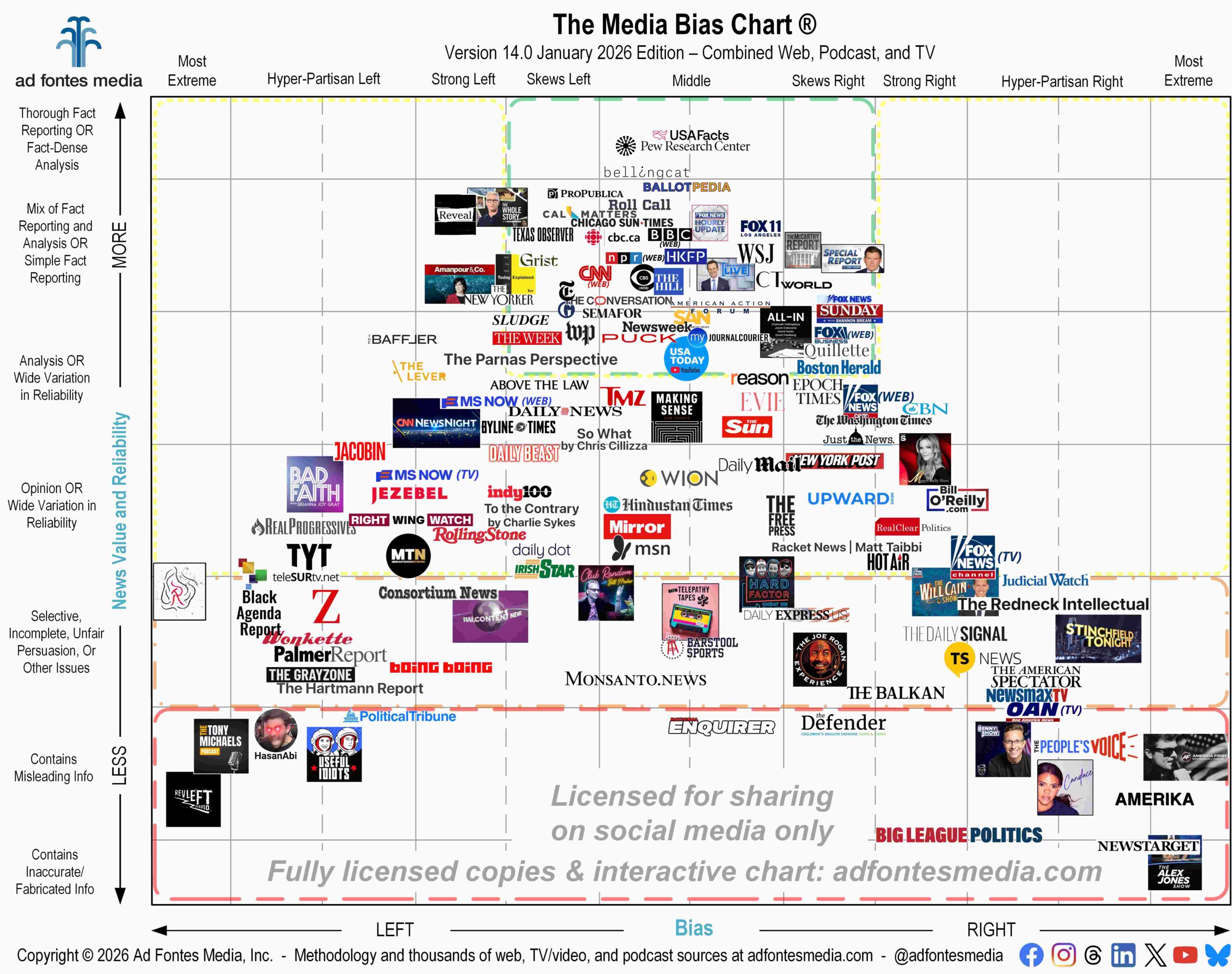
The most balanced and fact-based coverage from our content set came from articles by ABC News and BBC. Although both articles give some basic facts behind Cracker Barrel’s logo change and subsequent reversal, our analysts found that the reporting shied away from directly discussing facts around the biggest main cause of what it calls “backlash” — specifically, that posts made by social media influencers on the right gained massive attention online.
The posts harshly criticized Cracker Barrel and attributed their logo change to left-wing ideologies. The articles included social media posts from President Trump criticizing and then praising Cracker Barrel without acknowledging the social media furor that led to him weighing in on such a topic in the first place.
Further, both the ABC and BBC articles pointed to such shallow rationales for why the logo change prompted backlash that they omit a critical part of the story, which is that an angry social media culture war ultimately led to the company reversing course. For example, the ABC article asserts that it was due to “some social media users questioning whether it indicates a departure from Cracker Barrel’s roots and others critiquing the modern design choices.”
The BBC article quotes a PR expert who said, “What they did wrong is they went against their brand story, which was the old logo, that reflected the southern, whimsical atmosphere in the stores.” These euphemistic characterizations result in incorrectly describing what the backlash actually was.
Our analysts have noticed that some large news outlets, in trying to be “unbiased,” sometimes do so by simply not talking about political aspects of an inherently political story. However, this practice can lead to omitting important facts, or in this case, using such extreme euphemisms for what happened that it leads a reader to believe something that is not entirely the case.
So although these stories were indeed of “minimal/middle/balanced” bias, their lack of facts surrounding the social media conflicts lowered the reliability scores out of our highest fact-reporting tiers into the “analysis or other issues” tier. In this case, the score was because of these “other issues.”
A better way for a news outlet to cover a political story with high reliability while limiting bias is to increase the density of facts in the story. There are many facts a journalist could include in this story without characterizing them in a biased way. The other articles in this Topic of the Week indicate what some of those facts are.
A video from The Bulwark YouTube channel also was rated as “analysis” with a “middle/balanced” bias. Though the reliability score is similar to the ABC and BBC articles, this score reflects that it is “analysis” rather than “other issues.”
In the video, two Bulwark contributors express frustration with the right’s reaction to the Cracker Barrel’s proposed logo, calling it the latest “cultural flash point” from the right. The video analyzes the changes to the Republican party in general since Trump has taken office, calling the right the new “PC police” who needs to “assert dominance”: “We need to be able to tell everybody what to do and what to think,” the host says.
The bias of an article from Daily Kos is evident in its headline: “Cracker Barrel just keeps caving to MAGA’s bigotry.” The article focuses on Cracker Barrel’s recent removal of its webpage affirming DEI and LGBTQ rights, stating that “right wingers labeled the chain’s rebrand as ‘woke’” and criticized anything related to “their archnemesis: diversity, equity, and inclusion.” Analysts labeled the article as “opinion” with a “strong left” bias.
A video from the Benny Johnson YouTube channel begins with an image of the Cracker Barrel logo that puts President Trump in place of the iconic “Uncle Herschel.” Johnson calls Cracker Barrel’s CEO a “woke girl boss, feminist, aging boomer lady” who is “trying to remake an American heritage brand in her own woke image.”
He says the company’s decision to cancel the new logo following criticism from Trump is a “victory” that demonstrates “the cultural power of President Trump.” “We win! Freaking great,” Johnson proclaims. Analysts placed the video in the “selective or incomplete/unfair persuasion” category of reliability and found it to have a “hyper-partisan right” bias.
The lowest reporting from our content set came from the Breitbart website, whose article begins like this: “After a week in a barrel of its own making, the woke crazies who colonized Cracker Barrel have reversed course on a number of dreadful decisions, including a child-grooming, gay pride page on its website.”
The main inaccuracy throughout the article is the assertion, in the title and otherwise, that content on Cracker Barrel’s site was about “grooming” children — an accusation that the site’s content was preparing children for exploitation including sexual assault. Though the term “groomer/grooming” has become more widely used in low-reliability content, usually on the right, in describing many things related to the LGBT community, it is a serious accusation with a specific meaning, and here it is not supported by any evidence.
Analysts also noted several insults in the story, which is written in a first-person perspective by John Nolte, who says that allowing kids at Pride events is “a demonic attempt at shattering their innocence through grooming.” Nolte criticizes “dumb companies” for hiring “woke elitists” who destroy their brand. As a result, the article scored in the “contains inaccurate/fabricated info” range with a “hyper-partisan right” bias.
Want to see if you agree with our analysts? New Topics of the Week are posted on the website each Monday. Analyst scores are published on Wednesday. Learn more here.
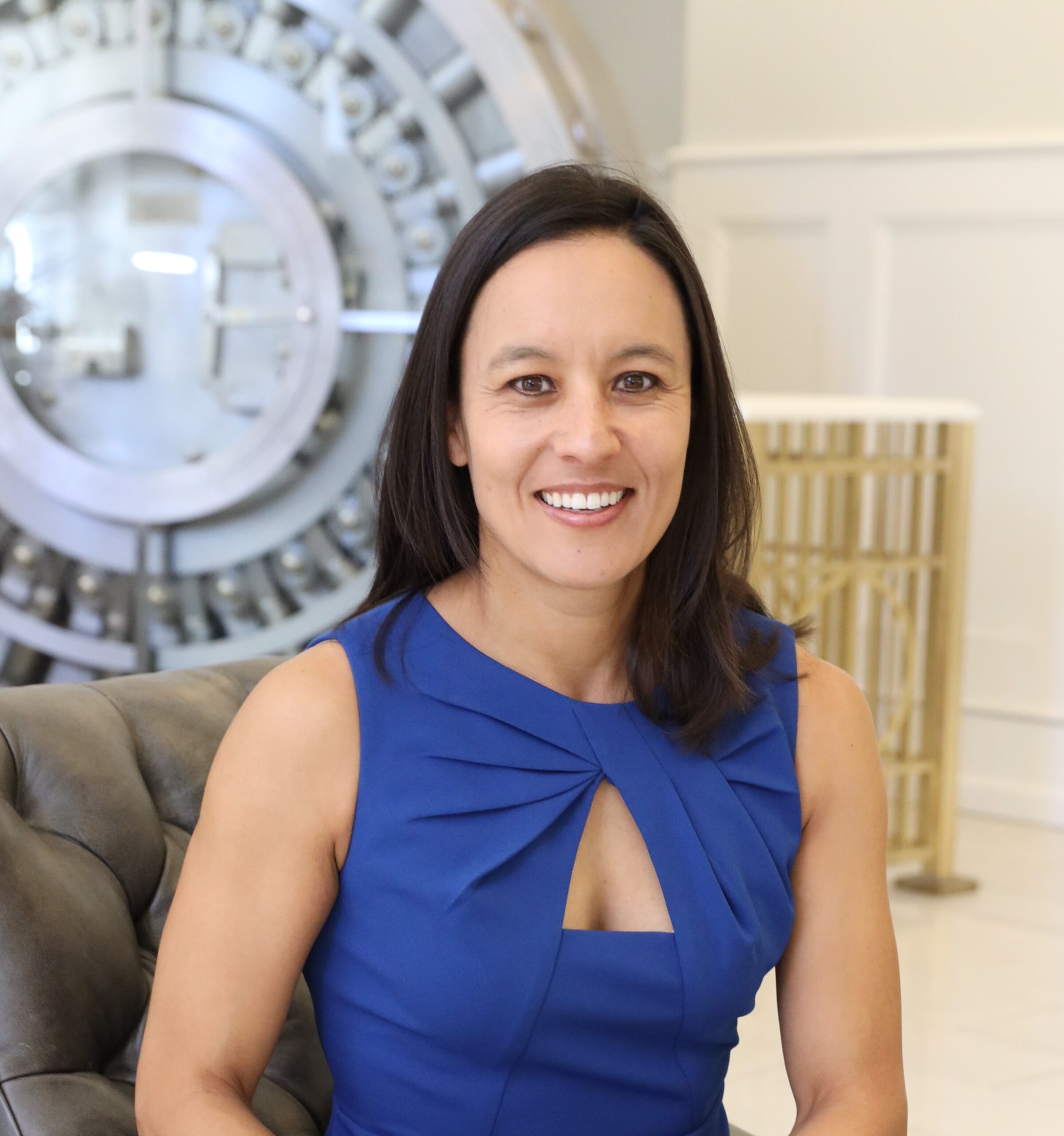
Vanessa Otero is a former patent attorney in the Denver, Colorado, area with a B.A. in English from UCLA and a J.D. from the University of Denver. She is the original creator of the Media Bias Chart (October 2016), and founded Ad Fontes Media in February of 2018 to fulfill the need revealed by the popularity of the chart — the need for a map to help people navigate the complex media landscape, and for comprehensive content analysis of media sources themselves. Vanessa regularly speaks on the topic of media bias and polarization to a variety of audiences.